While renewing the registration of his 15-year-old car, Amit was surprised to see an extra charge — the green tax. Like many vehicle owners, he hadn’t heard of it before. This small but growing fee is India’s way of encouraging cleaner air and responsible driving.
Let’s understand what the green tax for vehicles in India means, how it works, and how it might even affect your car insurance policy and renewal costs.
What is the Green Tax for Vehicles in India?
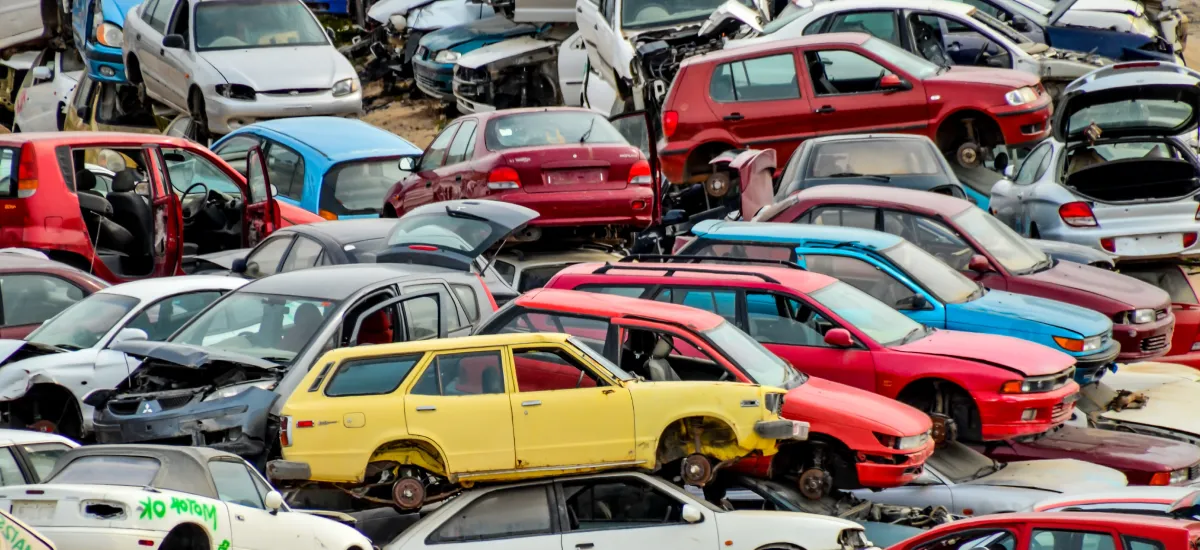
The green tax, also called environmental tax, is a fee charged on old commercial and personal vehicles using diesel or petrol as fuel.
Automotive vehicles are a major contributor to carbon emissions, creating significant environmental pollution and causing severe health hazards. A green taxation policy is part of the Indian government's steps to sensitise people towards ecological issues and discourage anti-environment behaviour.
The tax revenue collected helps states in the following ways:
1. Improve air quality
2. Set up monitoring systems
3. Fund environment-friendly projects.
Which Vehicles Are Covered and When Does It Apply?
The tax mainly targets old or high-emission vehicles. Here’s how it works across different categories:
Vehicle Type
|
When Green Tax Applies
|
Typical Rate
|
Private cars
|
After 15 years at RC renewal
|
Up to 50% of road tax, in some cases, depends on engine size and seating capacity
|
Commercial vehicles
|
At fitness renewal after 8 years
|
10-25% of road tax is typically
|
Diesel vehicles
|
Applied at renewal based on engine/fuel
|
Attract a higher green tax
|
Public transport (city buses, school buses, etc.)
|
At fitness renewal after set years
|
Lower green tax for commercial vehicles to protect public transport
|
The following vehicles are exempt from the list:
1. Electric vehicles
2. Vehicles running on a cleaner source of fuel like LPG, CNG, ethanol, etc.
3. Strong hybrids
4. Vehicles used in farming, such as tractors, harvesters, tillers, etc.
To know more about electric and hybrid vehicles, click here.
How Much Green Tax Do You Pay?
The amount of green tax for old vehicles isn’t the same throughout India. Since vehicle taxation is a state subject, each state’s transport department decides its own rate, similar to how road tax works. Apart from the basic guidelines covered above, some states may even charge a slightly higher rate for areas with heavy pollution levels. These measures aim to discourage the use of old, polluting vehicles and promote eco-friendly replacements.
How to Pay Green Tax for Old Vehicles?
Paying the green tax for vehicles in India is simple now with online systems. You can do it through:
1. The Parivahan Sewa portal
2. mParivahan app
3. Your State Transport Department website
4. At your local RTO office during vehicle fitness or registration renewal.
To pay green tax online, the simplest way is to log in to the mParivahan app. Launched by the Ministry of Road Transport and Highways, the mParivahan app has made it easy for vehicle owners to pay their transport-related taxes and fees, including green tax, if applicable. The digital initiative mParivahan now connects over 1300 RTOs across the country.
Like the road tax or the third party car insurance, paying green tax is a mandatory requirement under the Motor Vehicles Act in India. A compliance failure may lead to penalty and/or prosecution.
Green Tax and Car Insurance
You might wonder what a green tax has to do with car insurance. Here’s how the two are connected:
1. Insurance companies may ask for valid registration before renewing your comprehensive car insurance. If your vehicle’s registration is pending due to unpaid green tax, your four wheeler insurance renewal could also get delayed.
2. Older vehicles are already viewed as higher-risk assets, so their premiums can be slightly higher.
3. Paying green tax on time helps you keep your car insurance policy valid and avoids unnecessary coverage gaps.
You can explore flexible coverage and renewal options for vehicles at Generali Central, which offers support for all kinds of car owners, from new buyers to those maintaining older vehicles.
Benefits and Drawbacks of Green Tax in India
Here’s how the green tax for old vehicles is helping the government and the environment:
1. Encourages people to stop using older vehicles and shift to cleaner, fuel-efficient vehicles.
2. Generates funds for pollution control initiatives.
3. Improves air quality in crowded cities.
In spite of promoting sustainability and a cleaner environment, there are some limitations of the green tax, too:
1. Adds financial pressure on people who still rely on old vehicles.
2. Lack of uniform rates across states causes confusion.
3. Electric vehicle options are still limited in rural areas.
Conclusion
Vehicular pollution is a significant worry across the globe, and the green tax for vehicles in India is a government initiative to protect our environment from hazardous pollutants. It also encourages responsible ownership. States are using these funds to modernise transport systems and create cleaner cities. Together, timely tax payment and a robust insurance plan keep your vehicle safe, compliant, and eco-friendly.