Comprehensive vs Third-Party Car Insurance
Here is why investing in Comprehensive insurance is recommended and not basic car insurance:
1. Natural Disasters
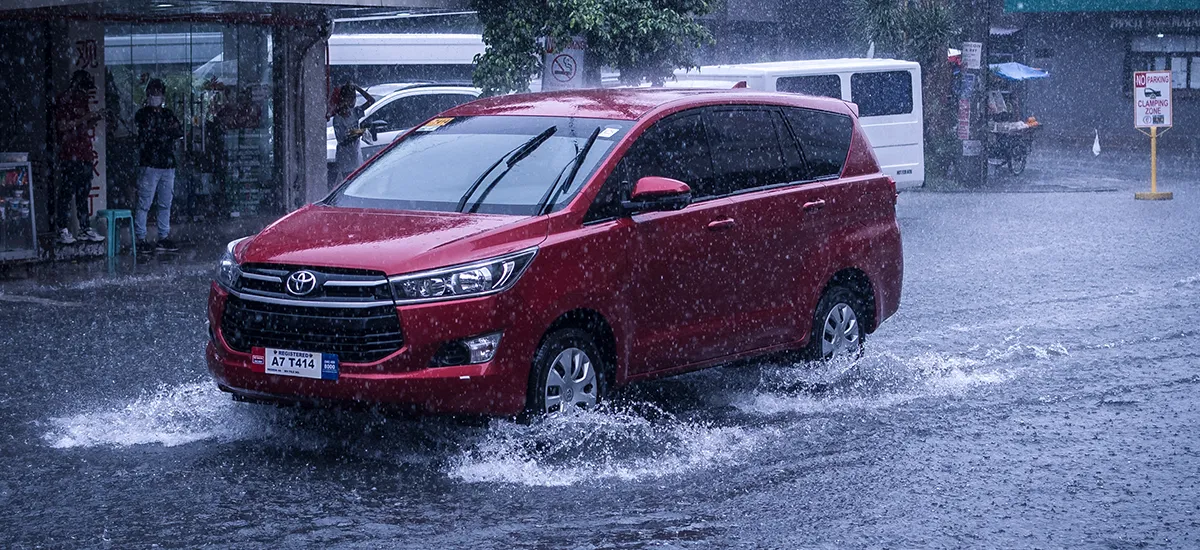
Unlike a basic policy, a comprehensive plan protects against losses caused by natural disasters such as floods, cyclones, landslides, and earthquakes. These events can cause severe damage to the vehicle, often resulting in repair costs higher than expected. Comprehensive coverage ensures that the owner does not have to bear such expenses alone. The policy takes care of restoration costs, regardless of the nature of the disaster. This becomes especially beneficial for those living in areas prone to heavy rainfall or frequent floods.
2. Theft Security
Car theft cases continue to rise in urban areas, making protection against it essential. A comprehensive policy compensates for the total loss if the vehicle is stolen and remains unrecovered. This financial relief prevents the owner from facing a complete loss of investment. The insurance amount is based on the car’s insured declared value (IDV), which represents its current market worth. Such coverage is crucial for people owning high-value vehicles since the cost of replacement can be significantly high.
3. Fire Damage
Accidents involving fire, whether due to short circuits, engine overheating, or nearby explosions, can completely destroy a car. Basic policies do not provide coverage for such damage, but comprehensive insurance includes it within its standard protection. The policy covers partial and total fire damage, including explosions or ignition caused by fuel leaks. Repairing a fire-damaged car can be extremely costly because it often affects the internal system and wiring.
4. Vandalism Coverage
Vandalism is an unfortunate event that basic insurance policies usually overlook. A comprehensive policy, however, protects against intentional damage caused by others. Whether it involves key scratches, broken mirrors, or dents from malicious acts during riots or protests, the insurer compensates for the repair costs. Such incidents are beyond the driver’s control and often occur in crowded urban or politically sensitive areas.
5. Own Damage
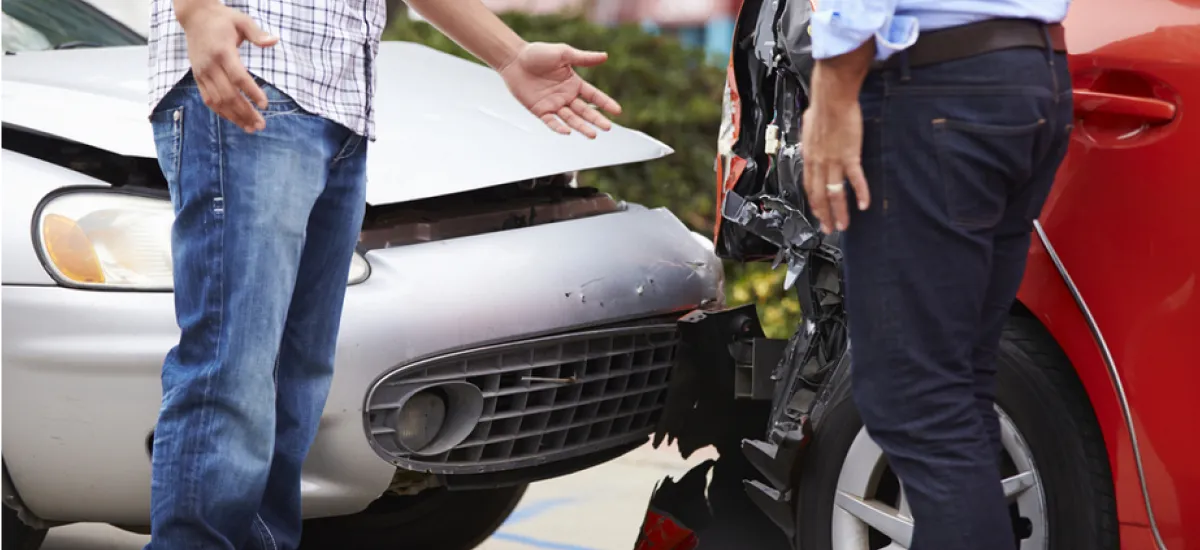
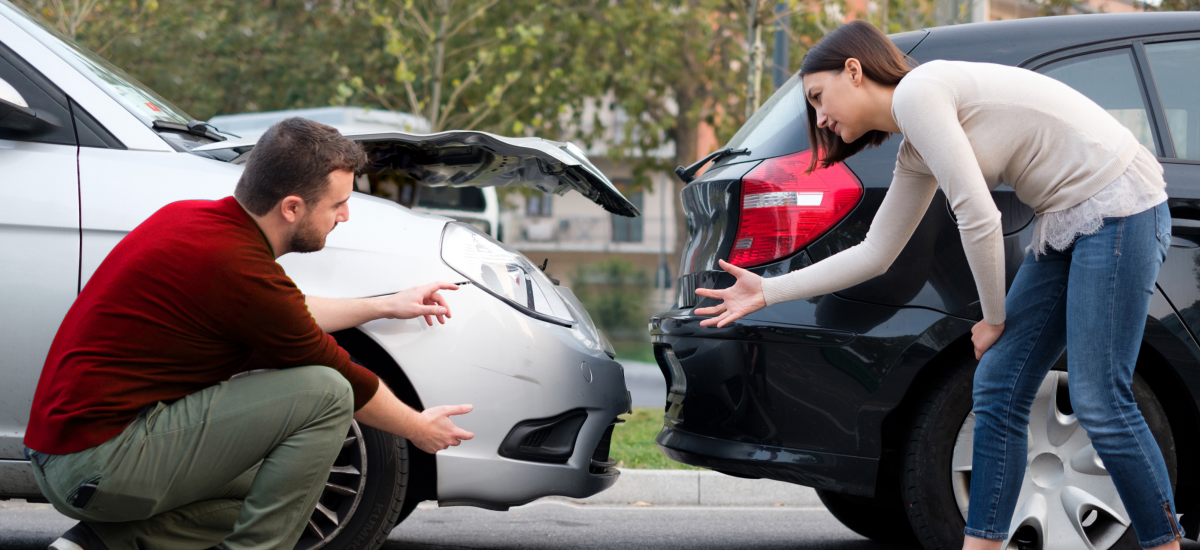
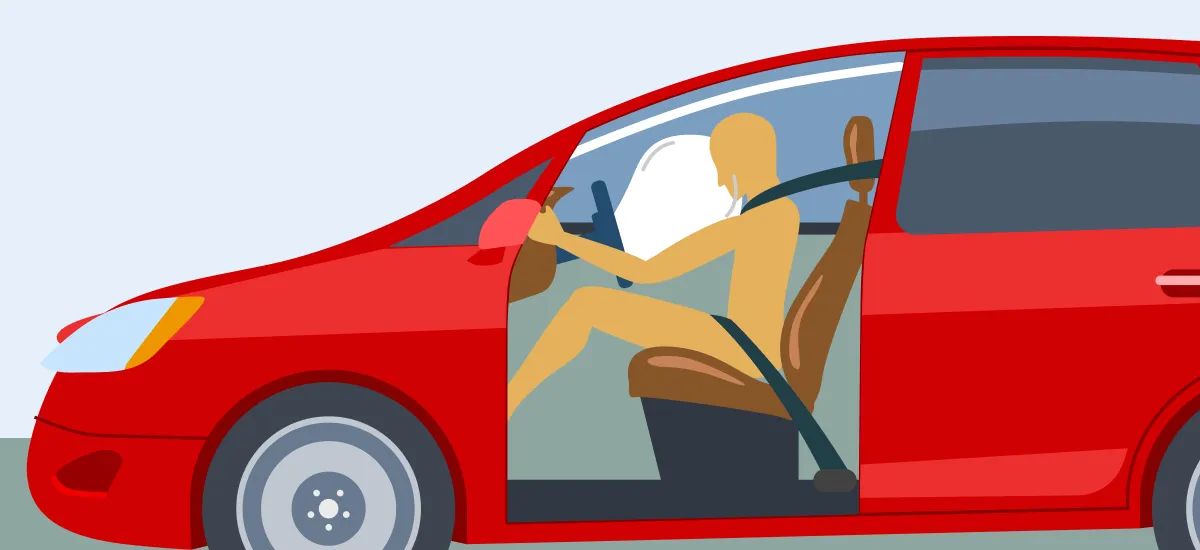
One of the biggest advantages of comprehensive car insurance is its own damage component. It covers damages to the policyholder’s vehicle due to accidents, collisions, or overturning, even when the driver is at fault. A basic policy never provides this benefit. This coverage ensures that the owner can repair or replace damaged parts without bearing heavy expenses. It includes both minor and major repairs, depending on the severity of the incident.
Read more: Learn about the add-on covers that can enhance your car insurance protection
Learn more about car insurance coverage, add-ons, and claim processes by visiting Generali Central Insurance.
Making Informed Insurance Decisions
Selecting appropriate insurance requires careful consideration of personal circumstances, vehicle value, and risk tolerance. While basic car insurance suffices for older vehicles with minimal value, comprehensive coverage proves essential for:
· Vehicles under five years old
· Financed or leased vehicles
· Primary transportation vehicles
· High-value or luxury vehicles
· Vehicles operated in high-risk areas
Evaluating Personal Risk Factors
Assessment of individual risk factors guides coverage decisions:
· Parking Location: Street parking increases theft and damage risks <H3/p>
· Usage Patterns: High mileage creates greater accident exposure <H3/p>
· Geographic Location: Flood-prone or high-crime areas demand comprehensive protection
· Financial Capacity: Limited emergency funds make comprehensive coverage crucial <H3/p>
Comparing Policy Options
When evaluating policies, examine:
1. Coverage Scope: Verify included perils and exclusions <H3/p>
2. Claim Settlement Ratio: Choose insurers with strong settlement records <H3/p>
3. Network Garages: Ensure convenient cashless claim facilities <H3/p>
4. Add-on Options: Select relevant coverage enhancements <H3/p>
5. Premium Structure: Compare multi-year payment benefits <H3/p>


 Share Post