Major Accidents
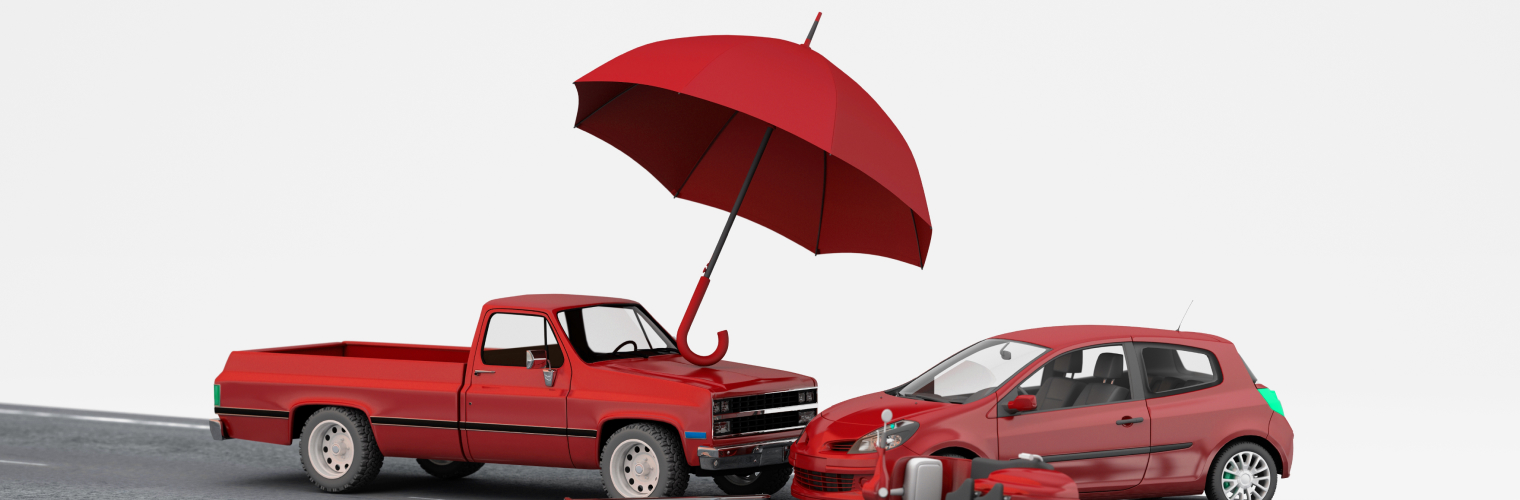
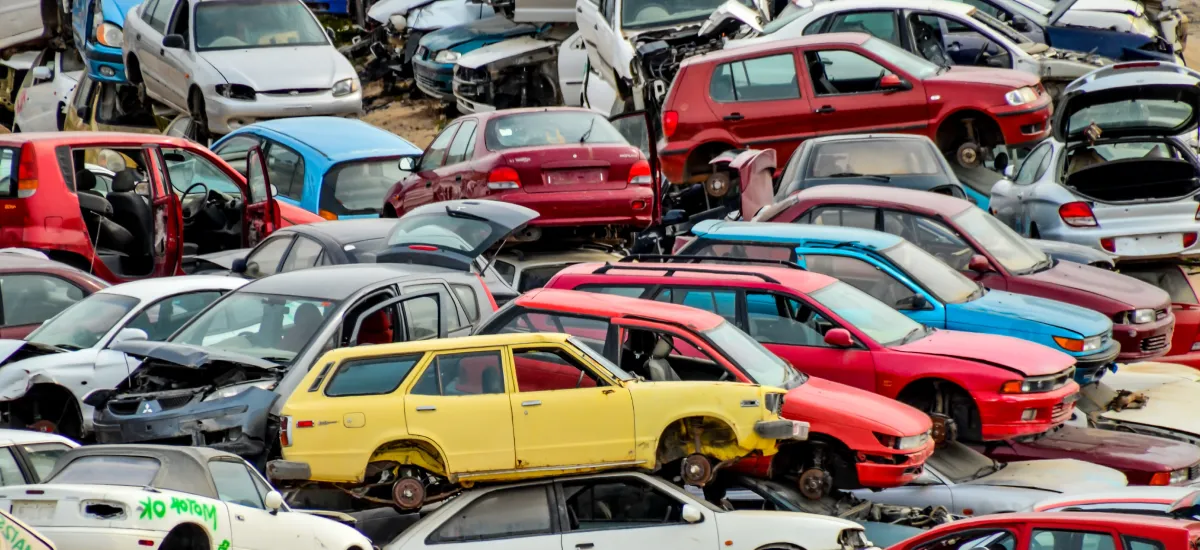
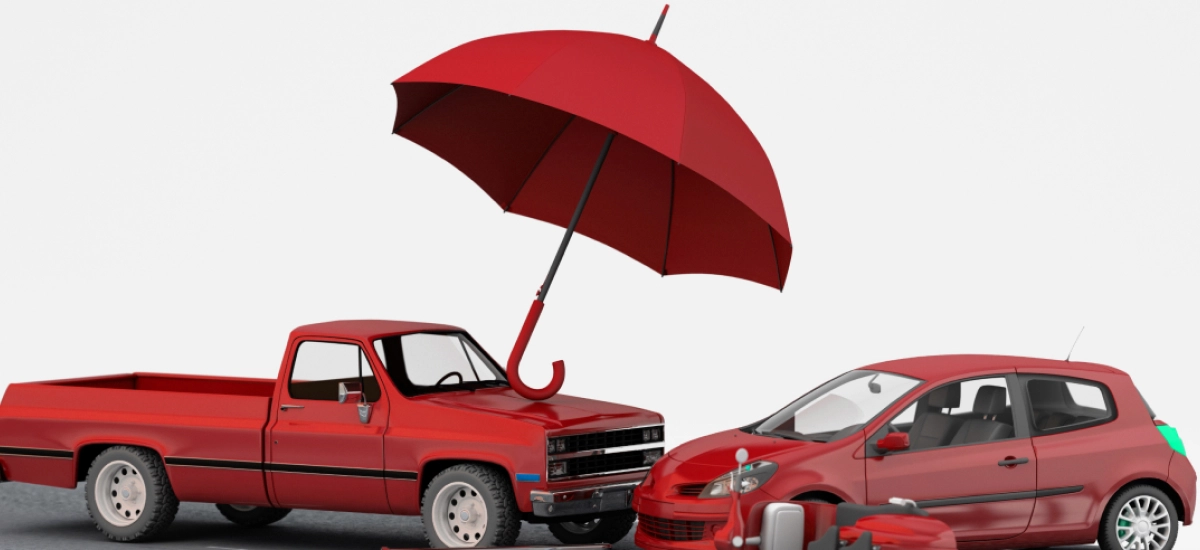
Major accidents result in extensive structural damage to your car and require multiple parts to be replaced. It involves high repair costs, but with zero depreciation, it can significantly reduce the financial burden.
1. Maximum financial protection
Several parts may need to be replaced in the event of major accidents. For the standard policy, depreciation deductions will be applied depending on vehicle age and part type.
● With zero depreciation cover
● Depreciation on replaced parts will be waived.
● Out-of-pocket expenses will be significantly reduced.
● The insurer will cover the cost of replaced parts without depreciation deductions according to policy terms and conditions.
2. No engine coverage
If the engine parts were replaced due to accidental damage, Zero dep insurance will waive the depreciation on those parts. However, this will not cover consequential engine damage due to hydrostatic shock or water ingress. For this, you must have an Engine Protection add-on.
Read More on: How Engine Protection Cover Saves You from Costly Repairs During Monsoons.
3. Impact of RTI
If the vehicle has been declared a constructive total loss, a zero depreciation waiver will not apply. Therefore, you will need the Return to Invoice add-on.
With the Return to Invoice add-on:
● The car insurance company will compensate the car's original value, not its depreciated Insured Declared Value.
● It is essential for the initial few years if the market depreciation is steep.
Here's a basic comparison regarding Zero Depreciation for minor and major accidents:
Parameter
| Minor Accident
| Major Accident
|
Extent of Damage
| Minor like bumper, small panel or mirror
| Multiple parts replacement or structural damage
|
Repair Cost
| Low to Moderate
| High
|
NCB Loss
| Applicable, but not worth it if the repair cost is small
| Applicable, worth it if the repair cost is high
|
Claim Frequency
| Limited number of claims per policy year, so use it mindfully
| Justified because of high-risk exposure
|
Out-of-Pocket Savings
| Limited
| Considerable
|
Zero Depreciation Benefit
| Good
| Very High
|
Depreciation Impact
| Limited because of a few parts
| Significant if multiple parts are involved
|
What are the Limitations of Zero Depreciation Cover?
The common limitations applied by the car insurance on zero depreciation cover include:
1. Things not covered:
Regular wear and tear, electrical failures and mechanical breakdown are excluded under the base motor policy. The zero depreciation cover also does not override these exclusions. Claims will also be rejected in case of policy breach. Zero depreciation does not apply to total loss or theft claims; the settlement is based on Insured Declared Value (IDV).
2. Higher Premiums:
Zero depreciation cover offers added protection against the risk. The increased insurer risk also raises premiums.
3. Vehicle Age Restriction:
Zero-depreciation cover is usually valid for cars up to 5 years old. For cars older than that, there are specific restrictions that everyone must know about.
4. Cap on Number of Claims:
You can apply up to 2 claims per year on your car insurance policy. Therefore, before filing the claim, you will have to be extremely careful regarding what is being offered.
5. Partial and Non-Coverage of Certain Parts:
The add-on coverage has restrictions on coverage for certain parts. For example, non-metal and non-plastic parts may not be completely covered. Even non-factory-fitted accessories are not covered by the add-on.
How is the Rate of Depreciation Calculated?
The rate of depreciation in car insurance is calculated using the IRDAI depreciation grid:
Vehicle Age
| Depreciation on Parts
|
< 6 months
| 5%
|
6 months–1 year
| 15%
|
1–2 years
| 20%
|
2–3 years
| 30%
|
3–4 years
| 40%
|
4–5 years
| 50%
|
1. Metal parts: as per the age slab
2. Plastic, rubber and nylon parts: Flat 50%
Read More on: How Zero Depreciation Car Insurance Works
What happens if only repainting is required after the accident?
If only repainting is required, the car insurance company will provide limited zero-depreciation coverage. It will involve paint material and labour costs. It will not cover consumables and deductibles.
If a major accident occurs, which parts would be covered by the zero-depreciation insurance?
If a major accident occurs, zero dep insurance will offer coverage for rubber, plastic, nylon, and metal parts. As a result, it offers comprehensive protection. It will not cover engine damage due to oil leakage.
Expert Note
This information is based on standard motor insurance guidelines issued by the Insurance Regulatory and Development Authority of India (IRDAI) and commonly followed industry practices. Policy coverage and conditions may vary by insurer.


 Share Post